Welcome to BBQ House!

Cleaning stainless steel grates vs. cast iron grates

Grilling is more than just cooking ,it’s an experience. Whether you’re a weekend barbecue enthusiast or a seasoned grill master, one of the most overlooked but essential parts of grilling is maintaining your grill grates. The two most common types are stainless steel grates and cast iron grates, each with unique advantages, drawbacks, and cleaning requirements.
If you’ve ever wondered which type of grate is easier to maintain or how to clean them properly, this article from BBQHOUSE will give you a complete comparison of cleaning stainless steel grates vs. cast iron grates.
Why Grill Grates Matter
Grill grates are the unsung heroes of every barbecue. They are directly exposed to food, grease, heat, and smoke, which means they quickly collect residue. Dirty grates not only affect the taste of your food but can also become a breeding ground for bacteria and rust.
Keeping them clean is essential for:
- Better-tasting food (no burnt grease residue).
- Longevity of the grill.
- Improved cooking efficiency.
- Healthier cooking surfaces.
But before we dive into cleaning, it’s crucial to understand what makes stainless steel grates different from cast iron grates.
Understanding Grill Grate Materials
What Are Stainless Steel Grates?
Stainless steel grates are made from durable steel with chromium content that resists rust. They are shiny, smooth, and relatively low-maintenance. Many modern grills feature stainless steel grates because they’re easy to clean and last long with proper care.
What Are Cast Iron Grates?
Cast iron grates are heavy, thick, and excellent at retaining heat. Unlike stainless steel, they require seasoning (coating with oil) to prevent rust and maintain non-stick properties. They’re beloved by professional grillers for their superior sear marks and heat distribution.
Key Differences Between Stainless Steel and Cast Iron Grates
Durability and Longevity
- Stainless steel grates resist rust naturally.
- Cast iron grates, when seasoned properly, can last decades.
Heat Retention and Cooking Performance
- Stainless steel heats up quickly but cools down just as fast.
- Cast iron retains heat for longer, providing better searing.
Resistance to Rust and Corrosion
- Stainless steel has natural corrosion resistance.
- Cast iron rusts quickly if left unseasoned or exposed to moisture.
Maintenance Needs
- Stainless steel: Wipe clean after use.
- Cast iron: Requires oiling, seasoning, and more regular care.
Cleaning Stainless Steel Grates
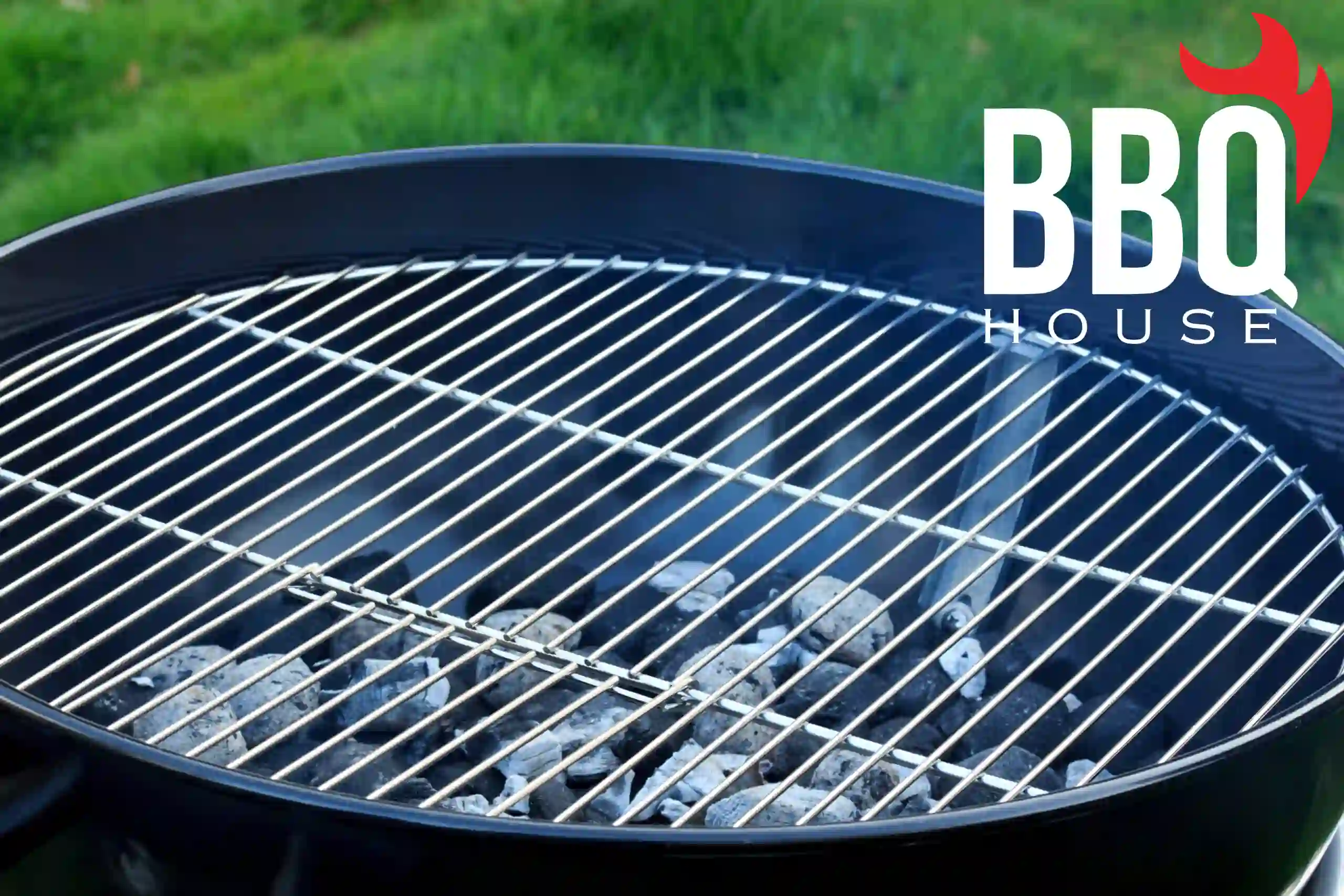
Tools Needed for Cleaning Stainless Steel Grates
- Grill brush with stainless steel bristles (or nylon for safer use).
- Warm soapy water.
- Aluminum foil for scrubbing.
- Microfiber cloth.
Step-by-Step Cleaning Process
- Heat the grill for 10–15 minutes to loosen debris.
- Use a brush or crumpled aluminum foil to scrub off residue.
- Remove the grates and soak them in warm soapy water.
- Rinse and dry thoroughly.
Follow us on Instagram and Facebook for more grilling info.
Preventing Stains and Rust
- Apply a thin coat of vegetable oil after cleaning.
- Store in a dry place when not in use.
Common Mistakes to Avoid
- Avoid using steel wool (it scratches).
- Don’t leave grates soaking for too long.
learn top 5 grill cleaning mistakes
Cleaning Cast Iron Grates
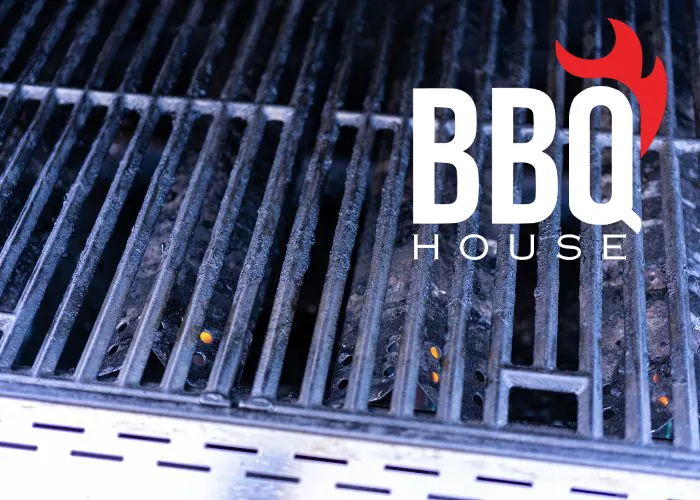
Tools Needed for Cleaning Cast Iron Grates
- Stiff grill brush.
- Warm water (no soap if possible).
- Vegetable oil or flaxseed oil for seasoning.
- Cloth or paper towels.
Step-by-Step Cleaning Process
- Heat the grill and scrub off excess food.
- Wipe with a damp cloth (avoid soaking in water).
- Dry completely.
- Season by applying a thin oil layer and reheating.
Importance of Seasoning Cast Iron Grates
Seasoning protects against rust and creates a natural non-stick coating. Without regular oiling, cast iron will deteriorate quickly.
Common Mistakes to Avoid
- Never put cast iron grates in the dishwasher.
- Don’t leave them wet after cleaning.
Deep Cleaning Techniques for Both Types
Using Vinegar and Baking Soda
- Create a paste and apply it to the grates.
- Let sit for 20–30 minutes.
- Scrub and rinse clean.
Steam Cleaning Method
- Place a bowl of water inside the hot grill.
- Let the steam loosen the grime.
Commercial Grill Cleaners
- Use only grate-safe cleaners.
- Rinse thoroughly to avoid chemical residue.
Preventive Care and Long-Term Maintenance
Proper Storage Tips
- Store indoors during rainy or snowy seasons.
- Use a grill cover.
Regular Seasoning and Oiling
- Stainless steel needs light oiling.
- Cast iron requires more frequent seasoning.
Avoiding Harsh Chemicals
- Stick to natural cleaners.
- Avoid bleach or strong acids.
Which Grate Is Easier to Clean? Stainless Steel or Cast Iron?
In general, stainless steel grates are easier to clean because they resist rust and don’t require seasoning. Cast iron grates deliver better cooking performance but demand extra maintenance.
Cost vs. Value: Are Cast Iron Grates Worth the Extra Effort?
Yes,if you prioritize cooking performance, cast iron grates are worth it. For casual grillers who prefer convenience, stainless steel is the smarter choice.
Expert Tips for Extending the Life of Your Grill Grates
- Clean after every use.
- Oil lightly before and after grilling.
- Use the right cleaning tools.
- Store properly in the off-season.
FAQs
Q1: Do stainless steel grates need to be seasoned?
A: Not really, but applying a light coat of oil helps prevent sticking and rust.
Q2: Can I use soap on cast iron grates?
A: It’s best to avoid soap, as it removes seasoning. Warm water and a stiff brush are safer.
Q3: How often should I clean my grill grates?
A: Ideally, after every cooking session. Deep cleaning can be done every few weeks.
Q4: Can I put stainless steel grates in the dishwasher?
A: Yes, but it’s better to wash them by hand to preserve their finish.
Q5: How do I fix rusty cast iron grates?
A: Scrub off the rust, dry thoroughly, and reseason with oil.
Q6: Which type of grate lasts longer?
A: Both can last years, but cast iron requires more effort to maintain longevity.
Conclusion: Choosing the Best Cleaning Method for Your Grates
When comparing cleaning stainless steel grates vs. cast iron grates, the choice comes down to your grilling style. If you prefer low-maintenance, easy-to-clean grates, stainless steel is your best bet. But if you love the searing power, flavor, and heat retention of cast iron, then the extra cleaning and seasoning are worth the effort.
Either way, proper cleaning and maintenance ensure your grill grates will last for years, giving you perfect meals every time.


