Welcome to BBQ House!

How to Use a Food Thermometer for grilling (how to, tips)


One tool that no serious griller should be without is a reliable food thermometer. In this comprehensive guide from BBQ House, we’ll walk you through how to use a thermometer for food and grills, why it matters, and share expert tips to help you become a true grill master.
Why Using a Food Thermometer Is Essential
when it comes to food there are some principles and essentials that should be followed:
-Food Safety Comes First
Undercooked meat can carry harmful bacteria like salmonella or E. coli.
By using a digital food thermometer, you can ensure your food reaches the safe internal temperature recommended by food safety organizations.
For instance, chicken should reach 165°F (74°C), while beef steaks are safe at 145°F (63°C).
-Perfect Doneness Every Time
Beyond safety, temperature control gives you consistency. Want your steak medium rare? You’ll need it to reach 130–135°F (54–57°C). A thermometer takes the guesswork out and ensures your food is always cooked the way you (or your guests) prefer.
-Avoid Overcooking and Dry Meat
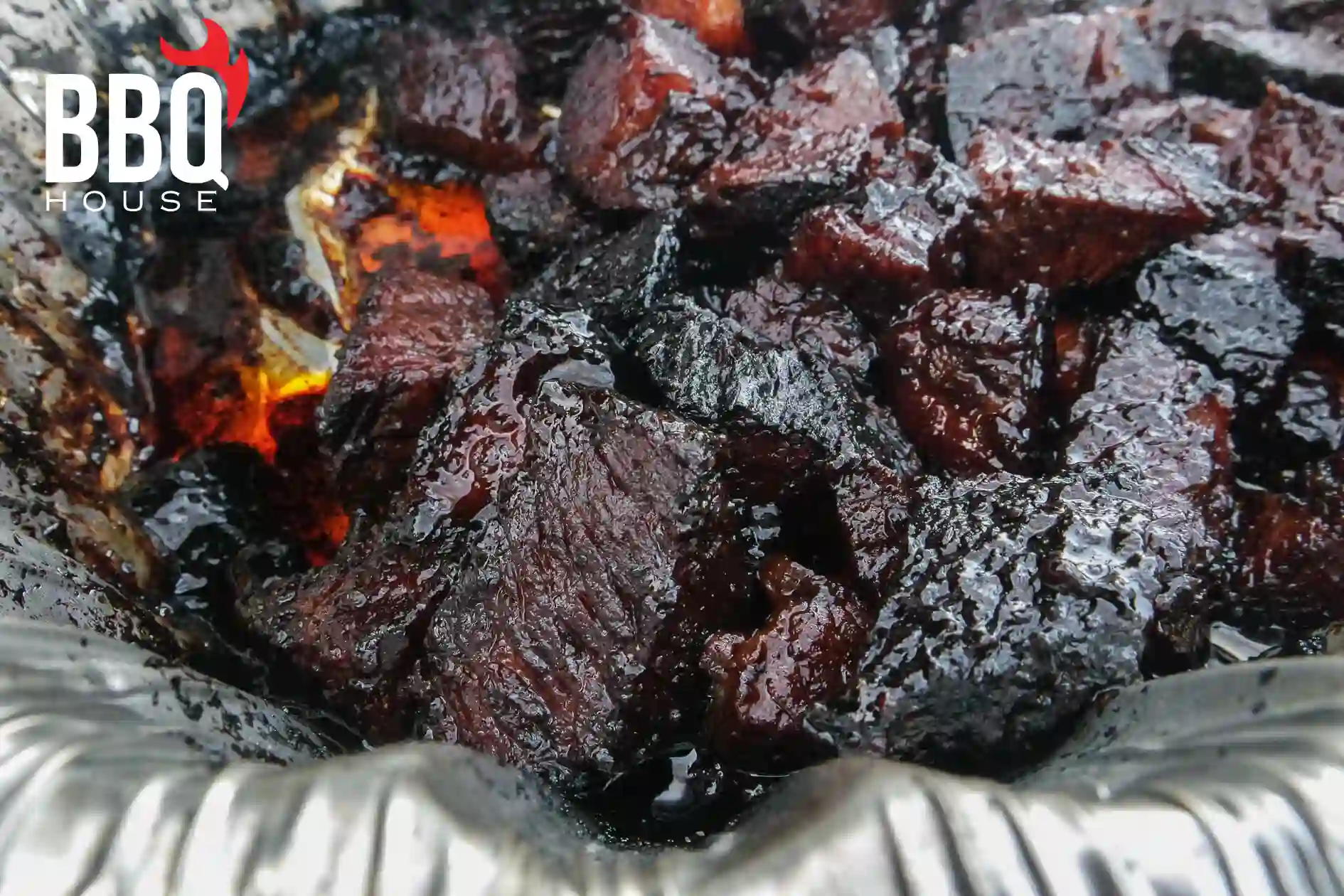
Nothing’s worse than a dry chicken breast or a tough steak. With real-time temperature monitoring, you pull your food off the grill at just the right moment.
Types of Thermometers for Grilling
-Instant-Read Thermometers
These give you a quick temperature reading in just a few seconds. Ideal for checking multiple pieces of meat quickly. For example, the ThermoPro TP19H is a foldable, waterproof option known for accuracy and speed.
-Leave-In Probe Thermometers
These thermometers stay in the meat throughout the cooking process and often come with a digital screen that remains outside the grill. Great for longer, indirect cooking methods like smoking or roasting.
-Infrared Thermometers
Used mainly for measuring surface temperatures, ideal for checking grill grate heat, but not meat.
-Wireless Smart Thermometers
Some modern thermometers connect to your phone via Bluetooth or Wi-Fi, giving you real-time updates and alerts.
How to Use a Thermometer with Your Grill
-Choose the Right Thermometer
Select one based on your cooking style. For quick checks, go for an instant-read. For smoking a brisket, use a leave-in probe.
-Preheat the Grill
Before placing any food, make sure your grill reaches the desired cooking temperature. An infrared thermometer can be useful to test different zones of the grill.
-Insert the Thermometer Properly
Place the probe into the thickest part of the meat, avoiding bone and fat. This area gives the most accurate reading of internal temperature.
Monitor and Adjust
Watch the reading,don’t wait until the last moment. If you’re using a leave-in thermometer, monitor it throughout the cook.
Adjust grill zones or move your food accordingly.
-Rest the Meat
Once your food hits the target temp, remove it and let it rest. Resting allows juices to redistribute, making your meat juicier and more flavorful.
you can checkout the grills with a built-in thermometer with the best quality from BBQHOUSE
Key Temperature Guidelines for Popular Grilled Foods
| Food Type | Temperature (°F) | Temperature (°C) |
|---|---|---|
| Chicken (breasts, thighs, wings) | 165°F | 74°C |
| Beef (steaks) – Rare | 130°F | 54°C |
| Beef – Medium Rare | 135°F | 57°C |
| Beef – Medium | 145°F | 63°C |
| Burgers | 160°F | 71°C |
| Pork (chops, tenderloin) | 145°F | 63°C |
| Fish | 145°F | 63°C |
Tips for Best Results with Thermometers
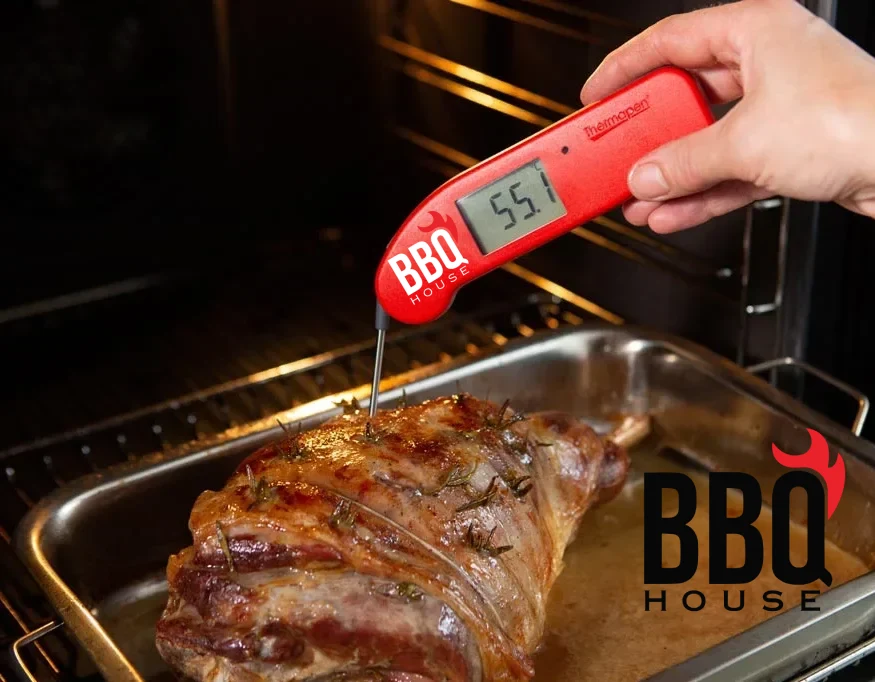
-Calibrate Regularly
Especially for analog thermometers,check accuracy by placing the probe in ice water (should read 32°F or 0°C).
-Clean After Every Use
Clean the probe with warm, soapy water or alcohol wipes to prevent cross-contamination.
-Avoid Direct Flame Contact
Don’t let the probe rest directly on a hot surface, as it can give false readings or damage the sensor.
-Store Properly
Keep it in a dry place and avoid dropping it. For foldable types like the ThermoPro, fold the probe into its casing to protect the sensor.
Ambient Grill Temperature vs. Internal Meat Temperature
Many people focus only on meat temp, but grill temperature matters just as much. Use dual-probe thermometers to track both the grill’s ambient heat and your food’s internal temperature,specially important for indirect grilling and smoking.
Keeping control of both ensures even cooking and avoids hot spots or burnt edges.
Best Practices for Multi-Zone Grilling with Thermometers
For advanced grillers using a two-zone setup (direct + indirect heat), thermometers help manage the process better.
Cook thick cuts slowly on the indirect side, monitor internal temps, then sear on the hot side once the desired temperature is nearly reached,this reverse sear method gives you a perfect crust and juicy center.
BBQ House Recommends: The ThermoPro TP19H
At BBQ House, we trust tools that deliver. The ThermoPro TP19H is one of our favorite food thermometers for a few key reasons:
-Ultra-fast 3–4 second readings
-Waterproof and easy to clean
-Auto-rotating display for both left and right-handed use
-Backlight for nighttime grilling
-Its rugged build and accurate performance make it a perfect companion for any type of grill charcoal, gas, or smoker.
you can checkout other grilling accessories from BBQHOUSE NOW!
Final: Why Every Grill Needs a Digital Food Thermometer
If you’re serious about grilling, a digital food thermometer isn’t just a gadget , it’s a game-changer. It ensures food safety, locks in flavor, and boosts your grilling confidence. Whether you’re preparing chicken for a quiet family dinner or firing up the grill for a big weekend BBQ, hitting the perfect temperature makes all the difference.
At BBQ House, we don’t just sell grilling tools , we live the grilling lifestyle. That’s why we proudly recommend top-performing gear like the ThermoPro TP19H.
Explore our full collection today and let BBQ House help you take your grilling skills to the next level.
you can check our BBQHOUSE facebook page and instagram for more grilling tips and info


