Welcome to BBQ House!

How Fat Renders and Flavors Food | BBQHOUSE

In every cuisine around the world, fat is more than just fuel for cooking,it’s a cornerstone of flavor, texture, and preservation. From the golden sheen on a pan of roasted potatoes to the silky richness in a stew, fat carries taste in ways that no other ingredient can. One of the most fascinating ways fat transforms food is through rendering,the process of slowly melting raw fat into a pure, usable cooking medium.
But what exactly happens when fat renders? Why does it matter in the kitchen? And how does rendered fat enhance the flavor and texture of your favorite dishes? Let’s dive into the science, tradition, and culinary magic of rendered fats.
Discover how the right grill makes all the difference. Explore our collection of charcoal, gas, and hybrid grills and elevate your BBQ game.
What Does Fat Renders Mean?
Rendering is the process of gently heating raw animal fat until it melts and separates from connective tissue, water, and other impurities. What’s left behind is clear, pure fat that can be stored and reused in cooking.
Unlike simply frying meat, rendering is controlled and intentional. You’re not just cooking, you’re extracting. The goal is to release the fat in a way that preserves its clean flavor and extends its shelf life.
Think of it as refining a raw ingredient: just as grapes are pressed into wine or olives into oil, fat is rendered into a versatile cooking medium.
The Science Behind Rendering
Fat exists in animal tissues in both solid and liquid states. When heat is applied:
- Water evaporates – Raw fat often contains water. Gentle heat drives this moisture out, preventing spoilage later.
- Connective tissue breaks down – Proteins and fibers shrink and crisp, leaving behind crunchy cracklings.
- Pure fat liquefies – The golden liquid that separates is the rendered fat you can strain and store.
The key is low, slow heat. Too much heat scorches fat, creating bitter notes and unwanted smokiness. Controlled rendering unlocks a clean, neutral flavor base.
Types of Rendered Fats

1. Beef Tallow
Beef tallow is prized for its high smoke point and savory richness. Traditionally used for frying, it gives foods like fries or meat pies a deep, satisfying flavor. In many cultures, tallow was the go-to cooking fat long before vegetable oils became common.
2. Duck Fat
Duck fat is silky, flavorful, and often described as the “chef’s secret weapon.” It lends roasted vegetables a luxurious crispness and makes confit,a preservation method where meat is slow-cooked and stored in its own fat,possible.
3. Chicken Fat (Schmaltz)
Common in Jewish cuisine, schmaltz adds depth to soups, dumplings, and matzo balls. It has a lighter, poultry-forward flavor compared to duck, making it perfect for everyday use in comfort foods.
4. Lamb Fat (Suet)
Though less common in modern kitchens, lamb fat provides a robust, almost gamey richness. It shines in traditional dishes like Middle Eastern kebabs or British meat pies.
5. Goose Fat
Highly valued in European cooking, goose fat is a star in French cuisine,especially with potatoes. Its subtle, meaty flavor makes it one of the most indulgent fats to cook with.
Why Rendered Fat Matters in the Kitchen
1. Flavor Amplifier
Fat is a carrier of flavor. When you sauté vegetables in chicken fat or roast potatoes in duck fat, the richness clings to the ingredients, intensifying every bite.
2. Texture Enhancer
Crispy exteriors and tender interiors often come from cooking with rendered fat. Think of golden French fries or flaky pastry crusts—fat is what creates those contrasts.
3. Preservation Tool
For centuries, rendering was essential for food preservation. Meat confit or rillette stored in its own fat could last for weeks without refrigeration.
4. Efficiency and Sustainability
Rendering allows you to use every part of the animal, minimizing waste. Instead of discarding trimmings, you create a cooking fat that’s both practical and flavorful.
Rendered Fat and Grilling: A Perfect Match
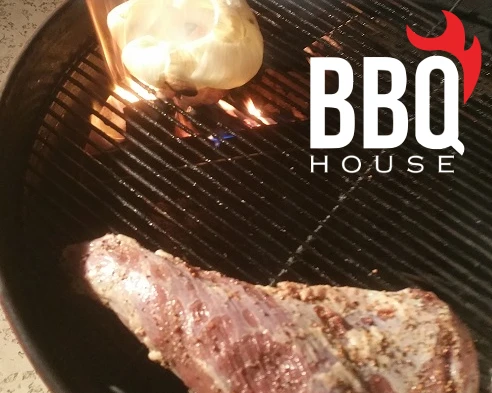
When it comes to grilling, rendered fat plays a surprisingly important role in both flavor and performance. As meat cooks over charcoal or gas, the fat begins to melt and drip onto the heat source. This triggers two delicious effects:
-
Flavorful Smoke Creation – When fat drips onto hot coals or burners, it vaporizes and rises back up as aromatic smoke. This smoke clings to the meat, giving grilled food its signature smoky depth that can’t be achieved with dry heat alone.
-
Moisture Retention – Rendered fat bastes the meat as it cooks, helping to lock in juices. Steaks, ribs, or chicken thighs stay tender on the inside while developing a crisp, caramelized crust.
-
Enhanced Sear and Crust – Fat fuels the Maillard reaction, that golden-brown crust on grilled foods. Whether it’s a burger sizzling on a hot grate or lamb kebabs charring over flames, rendered fat boosts the sear, making every bite more flavorful.
-
Versatile Flavor Boost – Adding rendered fats like beef tallow or duck fat directly to vegetables or even brushing them onto grill grates can transform results. Potatoes grilled in duck fat or bread brushed with schmaltz develop a richness far beyond olive oil alone.
In essence, grilling and rendering go hand in hand. The right balance of fat ensures that your BBQ isn’t just smoky and charred—but also juicy, tender, and deeply satisfying.
Follow us on Instagram and Facebook for more grilling info.
Rendering Fat at Home: A Step-by-Step Guide
Rendering fat isn’t complicated,it just requires patience.
- Choose your fat – Collect trimmings from beef, chicken, duck, or lamb. Make sure they’re clean and free of excess blood.
- Cut into small pieces – Smaller chunks melt more evenly.
- Low and slow heat – Place fat in a heavy-bottomed pot or slow cooker. Heat gently over low flame.
- Let it separate – As the fat melts, you’ll notice liquid pooling and solids turning golden and crisp.
- Strain carefully – Pour the liquid fat through a fine mesh strainer or cheesecloth into a heatproof jar.
- Cool and store – Once cooled, rendered fat solidifies into a creamy block. Store in the fridge for weeks or freeze for months.
Common Mistakes When Rendering
- Using high heat – This scorches fat, leaving it with a burnt flavor.
- Skipping straining – Impurities left behind can shorten shelf life.
- Not drying fat first – Excess water causes sputtering and spoilage.
- Ignoring storage rules – Rendered fat must be kept sealed and cool to stay fresh.
Global Traditions of Rendered Fat
- France – Duck and goose fat are staples, used in confit, potatoes, and pâtés.
- Middle East – Lamb fat flavors kebabs and rice dishes, adding depth.
- Eastern Europe – Schmaltz is used in dumplings, breads, and soups.
- South America – Beef tallow has a long history in cooking and even candle-making.
Every culture that relied on livestock developed its own techniques for rendering, making it both a practical skill and a culinary art.
Flavor Transformation: Why Fat Matters
When fat coats ingredients, it creates a protective layer that locks in moisture and distributes flavor molecules. For example:
- Vegetables roasted in duck fat – Crisp outside, buttery interior.
- Pastries made with beef tallow – Rich, flaky texture that outperforms vegetable shortening.
- Soups enriched with schmaltz – A rounder, more comforting taste.
The richness of rendered fat doesn’t overwhelm—it enhances. It deepens the profile of foods without masking their natural flavors.
Health & Shelf-Life Considerations
Rendered fat, when strained and stored properly, is surprisingly stable:
- Shelf life – Refrigerated fat lasts weeks; frozen fat can last up to a year.
- Nutrition – While animal fats are calorie-dense, they’re also natural sources of fat-soluble vitamins (A, D, E, K). Moderation is key.
- Comparison to oils – Unlike refined seed oils, rendered fats are minimally processed.
The important thing is balance—using rendered fat as a flavorful tool, not the sole foundation of your diet.
Rendering fat is more than a kitchen technique—it’s a bridge between tradition, science, and flavor. By transforming simple trimmings into golden liquid, you unlock a versatile ingredient that elevates textures, enriches flavors, and connects you to centuries of culinary practice.
Next time you roast potatoes, sear meat, or bake pastry, consider reaching for rendered fat. Not only will your food taste better, but you’ll also carry forward a timeless cooking tradition.
FAQs about fat renders
Is rendering fat the same as frying?
No. Rendering is slow and controlled, designed to extract clean fat. Frying is faster and focuses on cooking food.
Can I mix different animal fats when rendering?
It’s best to render each type separately to preserve unique flavors. Mixing is fine for frying, but not for storage.
How do I know if rendered fat has gone bad?
Spoiled fat develops a sour smell, discoloration, or mold. Always store in an airtight container.
What’s the best fat for roasting vegetables?
Duck and goose fat are favorites because they create crisp, golden exteriors.
Can rendered fat replace butter or oil in baking?
Yes, but it changes flavor. Tallow creates flakier crusts, while schmaltz adds savory depth.
You can get more informed about BBQ, cooking and grilling with BBQ articles. and you can visit our shop for grilling accessories and all kinds of grills


