Welcome to BBQ House!

What is Korean BBQ? History, Traditions & Flavors

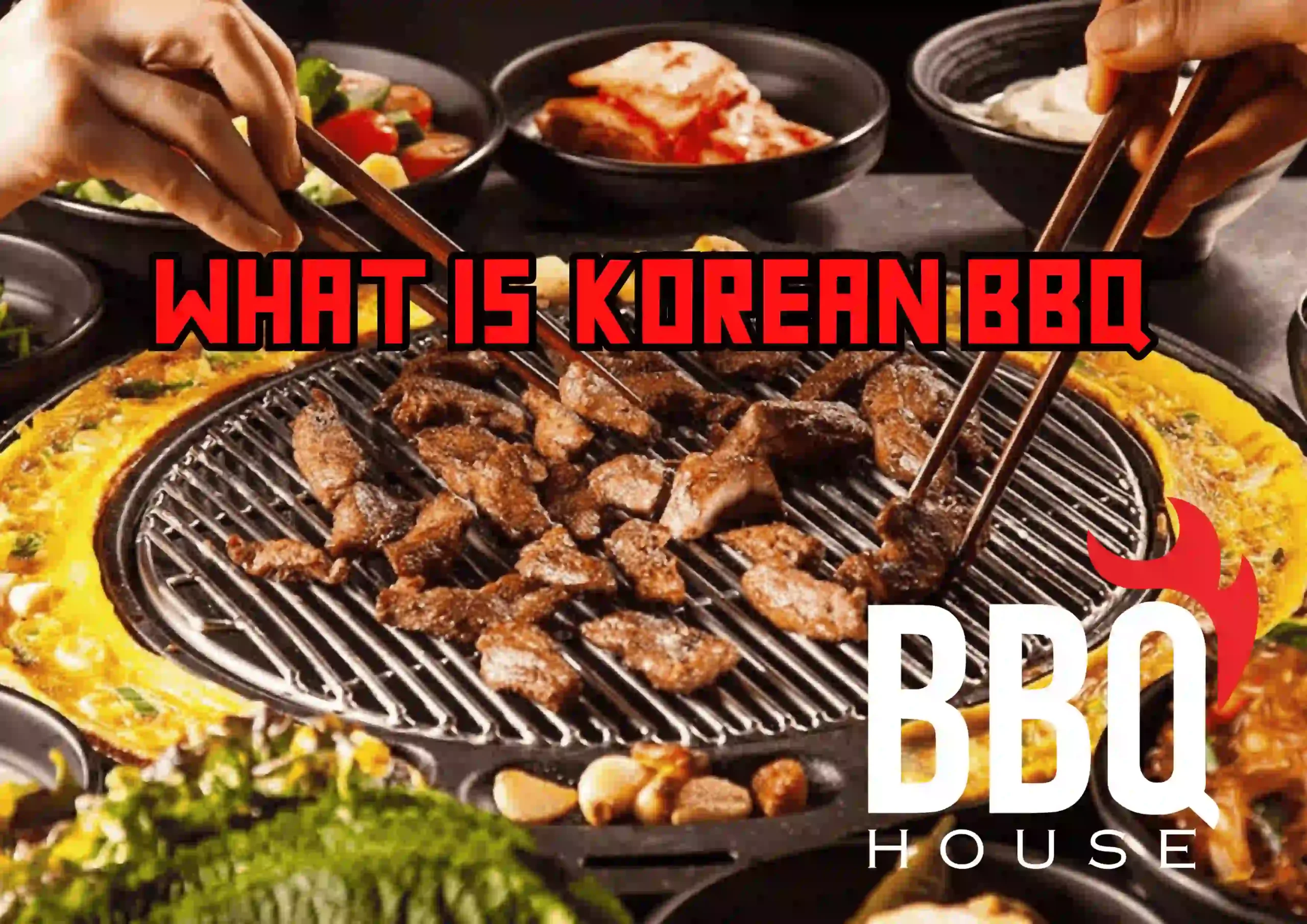
Korean cuisine has captured the world’s imagination with its bold flavors, communal dining style, and rich culinary traditions. Among its most celebrated exports is Korean BBQ, a dining experience that blends sizzling meats, flavorful marinades, fresh vegetables, and interactive cooking.
But what exactly is Korean BBQ? How did it originate, why is it so unique, and why has it become a global dining phenomenon? Let’s explore with BBQ House the history, traditions, techniques, and unforgettable flavors that define this beloved culinary experience.
The Origins of Korean BBQ
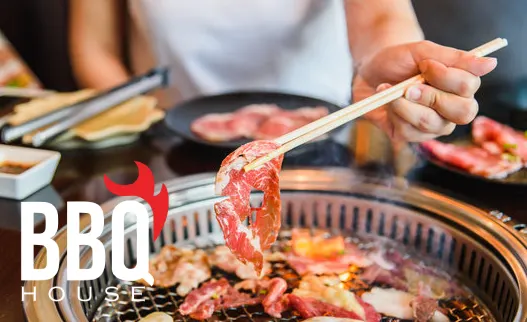
The roots of Korean BBQ go back centuries, deeply tied to Korea’s nomadic and agricultural traditions. Historically, grilling meat was a luxury reserved for the elite due to the scarcity of beef in earlier times. Most Koreans relied heavily on grains, vegetables, and fermented foods like kimchi.
Over time, meat consumption became more widespread, and cooking methods evolved. One of the earliest ancestors of modern Korean BBQ is “maekjeok”, a skewered meat dish enjoyed during the Goguryeo dynasty ( 37 BCE–668 CE ). Later, “bulgogi”,which literally means “fire meat”,became a staple dish, featuring thin slices of marinated beef grilled over an open flame.
Today, bulgogi remains a cornerstone of Korean BBQ, but the tradition has expanded to include marinated short ribs (galbi), chicken, seafood, and even vegetarian options.
checkout the best grilling accessories from bbqhouse!!!
What Makes Korean BBQ Unique?
Unlike Western-style barbecues that often involve slow-smoking large cuts of meat, Korean BBQ emphasizes smaller cuts, quick grilling, and interactive dining. Here are a few defining features:
- Tabletop Grilling – Most Korean BBQ restaurants have built-in grills on each table, where diners cook their own food. This setup creates a social, hands-on experience.
- Wide Variety of Meats – From unmarinated cuts like cow belly to richly marinated beef short ribs, Korean BBQ offers diversity in taste and texture.
- The Role of Marinades – Traditional marinades often combine soy sauce, garlic, sugar, sesame oil, and pear juice, creating a perfect balance of sweet, savory, and smoky flavors.
- Banchan (Side Dishes) – No Korean BBQ is complete without banchan, the collection of small side dishes served with the meal. These often include kimchi, pickled vegetables, steamed egg, and seasoned spinach.
- Wrapping and Dipping – Diners often wrap grilled meat in lettuce leaves with rice, kimchi, and sauces like ssamjang (a spicy soybean paste).
This balance of interactivity, flavor layering, and communal dining sets Korean BBQ apart from almost any other culinary tradition.
Bring the best BBQ experience home with our grills
Popular Meats in Korean BBQ

While the options are endless, certain cuts and preparations have become staples:
- Bulgogi (Marinated Beef): Thinly sliced beef marinated in soy sauce, sugar, garlic, and sesame oil, grilled quickly for tender, flavorful bites.
- Galbi (Beef Short Ribs): Often marinated in a sweet-salty sauce, galbi is prized for its rich, smoky taste.
- Dak Galbi (Chicken): Spicy marinated chicken often grilled with vegetables.
- Seafood Options: Squid, shrimp, and clams are sometimes included for variety.
Each meat cut brings its own unique experience, making a Korean BBQ meal feel endlessly customizable.
Follow us on Instagram and Facebook for more grilling info.
The Art of Marinades
At the heart of Korean BBQ lies the mastery of marinades. Korean marinades are designed to tenderize meat while infusing it with deep layers of flavor. Common ingredients include:
- Soy Sauce: Adds saltiness and umami.
- Garlic & Ginger: Provides fragrance and depth.
- Sugar or Honey: Balances saltiness with sweetness and caramelization.
- Sesame Oil: Adds nutty richness.
- Asian Pear or Apple: Natural tenderizer that also contributes sweetness.
This careful balance results in meats that are savory, slightly sweet, aromatic, and unforgettable.
The Role of Banchan
One of the joys of Korean BBQ is the endless parade of small side dishes known as banchan. Unlike Western meals where side dishes are optional, banchan is an integral part of the Korean dining table.
Some common banchan include:
- Kimchi: Fermented cabbage or radish with chili and garlic.
- Japchae: Stir-fried glass noodles with vegetables.
- Namul: Lightly seasoned vegetables like bean sprouts or spinach.
- Pajeon: Savory scallion pancakes.
The beauty of banchan is that it refreshes the palate between bites of rich, grilled meat, ensuring balance throughout the meal.
Dining Etiquette at Korean BBQ
Korean dining culture emphasizes respect, sharing, and community. Some important etiquette tips:
- Cooking for Others: It’s polite to place cooked meat on others’ plates before serving yourself.
- Ssam Style: Wrap meat in lettuce or perilla leaves with rice and condiments for a proper bite.
- Avoid Overcrowding the Grill: Place only a few pieces of meat at a time for even cooking.
- Drinking Etiquette: When drinking soju (a popular Korean spirit), pour for others first, never yourself.
These customs turn the meal into more than just food—it’s a cultural ritual.
Korean BBQ Around the World
From Seoul to Los Angeles to London, Korean BBQ has become a global sensation. In cities with large Korean populations, entire neighborhoods,like Koreatown in LA or New York—have turned into hubs for authentic Korean BBQ.
Global chefs have also adapted Korean BBQ, fusing it with local flavors. For example:
- In the U.S., fusion tacos filled with bulgogi are a hit.
- In Japan, Korean BBQ shares similarities with yakiniku.
- In the Middle East, some restaurants halal-ize the experience with local meats.
This adaptability has helped Korean BBQ thrive across cultures, making it not only a traditional experience but also a global culinary trend.
Health and Nutrition Aspects
While Korean BBQ is indulgent, it can also be quite balanced:
- Protein-Rich: Lean beef cuts provide plenty of protein.
- Vegetable Pairing: The abundance of banchan ensures fiber and vitamins.
- Customizable: Diners control portion sizes and combinations.
Of course, moderation is key. But the interactive nature of Korean BBQ encourages slower, more mindful eating compared to fast food.
Modern Innovations in Korean BBQ
As technology and dining preferences evolve, Korean BBQ has also modernized:
- Smokeless Grills: Many restaurants now use smokeless systems to enhance comfort.
- Electric & Portable BBQ Grills: Bringing the Korean BBQ experience into homes.
- Vegan and Vegetarian Options: With plant-based proteins and creative marinades, even non-meat eaters can enjoy the experience.
- Premium Cuts: High-end Korean BBQ spots serve Wagyu beef, dry-aged meats, and seafood delicacies.
These innovations prove that while rooted in tradition, Korean BBQ continues to reinvent itself for modern diners.
Why People Love Korean BBQ
So why has Korean BBQ captured so many hearts worldwide? The answer lies in its unique blend of flavor, interaction, and community. It’s not just about eating—it’s about participating, sharing, and enjoying food in a way that feels both personal and collective.
The balance of smoky grilled meats, tangy side dishes, savory sauces, and refreshing greens creates a harmony of flavors that keeps people coming back. Add to this the cultural richness, and Korean BBQ becomes more than a meal,it becomes an experience.
Final Thoughts
Korean BBQ is one of the most dynamic, flavorful, and communal dining experiences in the world. Rooted in tradition yet constantly evolving, it offers something for everyone,from classic bulgogi lovers to adventurous foodies exploring fusion trends.
Whether you’re in Seoul savoring authentic short ribs or at home with a tabletop grill and friends, Korean BBQ is about more than just food. It’s about connection, celebration, and the simple joy of sharing a meal.
So next time you’re wondering what is Korean BBQ?—remember it’s not just about grilled meat. It’s about history, culture, flavor, and the experience of gathering around the table, one sizzling bite at a time.
FAQs
How do you eat Korean BBQ properly?
The traditional way is to take a grilled piece of meat, dip it in sauce, place it in a lettuce or perilla leaf, and add garlic, kimchi, rice, or ssamjang (fermented soybean paste). You then fold it into a bite-sized wrap called a ssam.
What sauces are used in Korean BBQ?
The two most common are ssamjang (a savory, slightly spicy paste made with fermented soybeans, chili, and sesame oil) and gireumjang (a dipping sauce made with sesame oil, salt, and pepper).
What are the most popular meats for Korean BBQ?
The most popular meats include galbi (marinated beef short ribs), bulgogi (thinly sliced marinated beef), and dak-galbi (spicy chicken). Seafood and vegetarian options are also common.
Do I need special equipment to make Korean BBQ at home?
While authentic restaurants often have built-in grills, at home you can use a tabletop grill, cast-iron skillet, or even a portable gas/electric grill. The key is high heat and thinly sliced meat for quick cooking.
What are banchan, and why are they important?
Banchan are small side dishes served with Korean BBQ. They range from kimchi, pickled vegetables, seasoned spinach, and potato salad to egg dishes. They balance the richness of grilled meat and create the signature communal Korean dining experience.
How expensive is Korean BBQ?
In restaurants, prices vary depending on the type of meat ordered. Premium cuts like ribeye or marinated short ribs cost more, while and chicken are more affordable. At home, Korean BBQ can be budget-friendly if you prepare the sides and sauces yourself.


